
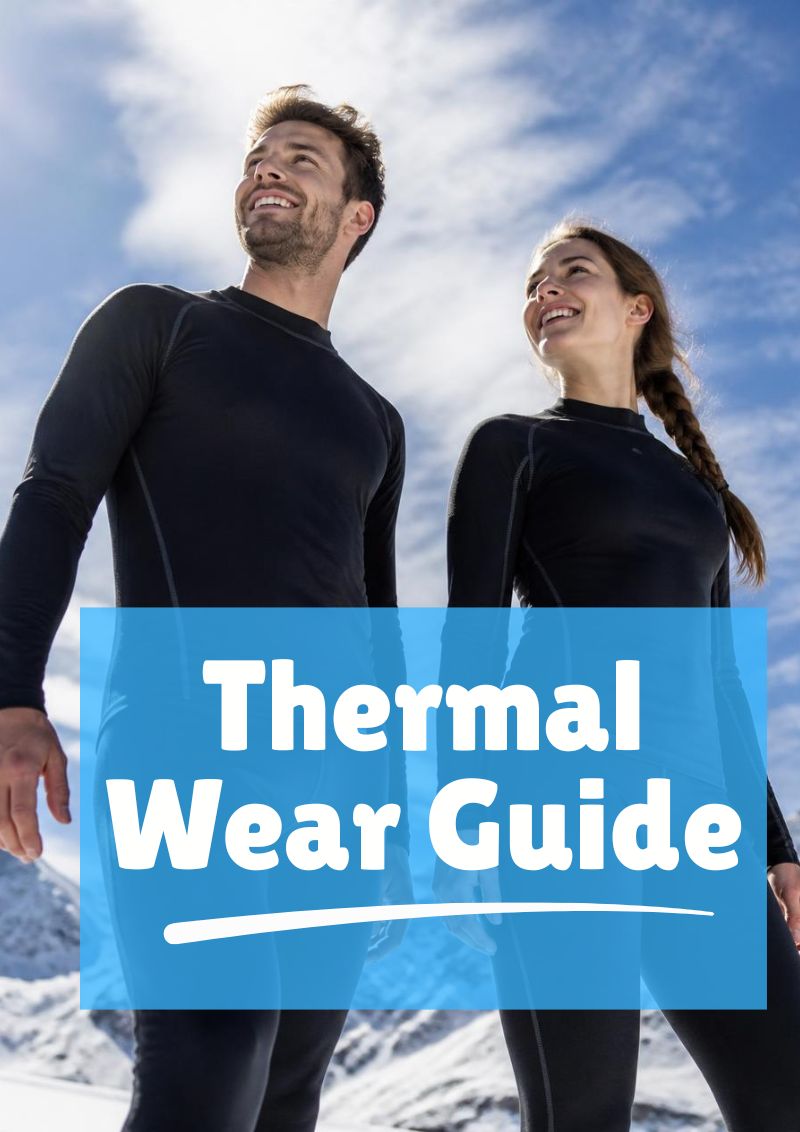
If you’re travelling from Singapore to a cold country for the first time, thermal wear is probably somewhere on your shopping list. But then the questions start: Do I really need thermals? Is Heattech enough? Should I buy merino wool? Can I just wear my normal long-sleeve T-shirt?
The good news is, choosing thermal wear doesn’t need to be complicated. Here’s a simple guide to help you decide what you actually need for your winter trip.
1. Why do we need thermal wear?
Thermal wear, also called a base layer, is the first layer you wear close to your skin.
Its main job is not simply to be thick. A good base layer helps manage moisture from your body and keeps you more comfortable when you’re out in the cold.
Think of your winter outfit as three basic layers:
Thermal/base layer → sweater or fleece → winter jacket
For colder destinations, you may need thermal leggings under your pants too.
Do you need thermals for every winter trip? We generally recommend them because they’re lightweight and don’t take up much luggage space. However, the type you need depends on your destination, how long you’ll be outdoors and how well you handle cold weather.
2. Can I wear a normal long-sleeve T-shirt instead?
You can in mild weather, but a normal cotton long-sleeve T-shirt doesn’t work quite the same way as thermal wear.
A proper base layer is designed to sit closer to your body and manage moisture. This becomes more important when you’re walking around all day, moving between heated indoor places and cold outdoor temperatures.
For a mild 10°C day, you may be comfortable without thermals. But if you’re travelling in December to Tokyo, Seoul, Beijing, Hokkaido, Harbin or Lapland, we would pack them.
They’re small, light and much easier to add or remove than carrying another bulky jacket.
3. What are the different types of thermal wear?
You don’t need to know every fabric on the market. For most travellers, there are two useful categories to understand.
Synthetic thermal wear
These are usually made from a combination of polyester, acrylic, rayon and stretch materials.
One familiar example is Uniqlo Heattech. Its Ultra Warm range uses a synthetic blend and has a brushed inner surface. Uniqlo currently describes Ultra Warm as approximately 2.25 times warmer than its regular Heattech.
Synthetic thermals are easy to find, relatively thin and practical for normal winter holidays.
Merino wool thermal wear
Merino wool is a natural fibre commonly used for cold-weather base layers. It’s a good option when you need warmth while still managing moisture, particularly if you’re spending long periods outdoors.
The downside? Good merino thermals are usually more expensive.
So you don’t necessarily need to buy merino wool just because you’re going somewhere cold.
4. Which thermal wear should I choose?
We like to keep this simple.
Going to Tokyo, Osaka, Seoul, Beijing, London or Paris in winter?
For most travellers, a good synthetic thermal is practical. If you’re travelling in December and tend to feel cold easily, Ultra Warm Heattech is one easy option to find in Singapore.
Going to Hokkaido?
Consider warmer thermals, particularly if your itinerary includes snow activities or long periods outdoors.
Going to Harbin or Lapland?
This is where we would consider investing in a good merino wool base layer, especially when temperatures can fall far below freezing and you’ll be outside for extended periods.
But remember: buying an expensive thermal doesn’t replace proper layering.
Your thermal is only layer one.
5. Where can I buy thermal wear in Singapore? Can I buy online?
Yes. Thermal wear is quite easy to find in Singapore, both in physical stores and online.
Uniqlo Singapore is probably one of the easiest places to start if you want Heattech. Its Ultra Warm range includes both thermal tops and leggings, and you can buy online or check store availability.
Decathlon Singapore is another option, especially if you’re looking for base layers designed around winter sports and outdoor activities. Decathlon also provides guidance on choosing base layers based on activity and moisture management.
You can certainly buy thermals online, but don’t choose based on price or the word “thermal” alone.
6. What should I check before buying thermal wear?
First, check the material. Look for synthetic moisture-managing fabrics or merino wool rather than choosing an ordinary cotton T-shirt just because it looks thick.
Next, check the fit. Thermal wear should sit relatively close to your body but shouldn’t feel so tight that you’re uncomfortable. Remember, you’ll probably be wearing it for many hours.
Also check the warmth level. Don’t automatically buy the warmest option available. Someone sightseeing in Tokyo has very different needs from someone waiting outdoors for the Northern Lights in Lapland.
If you’re buying online, check the size chart, material composition, care instructions and return/exchange policybefore ordering. This is especially important for thermal bottoms, as some retailers may have different return conditions for innerwear.
Finally, think about your whole winter outfit, not just the thermal.
A good thermal + suitable mid-layer + proper winter jacket will usually serve you better than simply buying the thickest thermal you can find.
The simple answer
For your first winter trip, don’t overcomplicate it.
Normal winter city trip: a good synthetic thermal is usually a practical starting point.
Extreme cold or long hours outdoors: consider merino wool.
And whichever thermal you choose, remember that staying warm is about layering properly from head to toe, not relying on one piece of clothing to do everything.
Not Sure What to Wear for Your Winter Trip?
If this is your first winter trip and you’re still unsure whether your thermal, layers and winter jacket are warm enough, you can come down to WinterBuddy for a free try-on appointment.
WinterBuddy is a winter clothes rental service in Singapore for travellers who prefer to rent instead of buying winter wear they’ll only use for a short trip. We carry winter jackets, winter pants, snow boots and accessories for different temperatures and destinations. During your try-on, we’ll also help you work out your winter outfit and layering based on where you’re going, when you’re travelling and how cold it may be.