
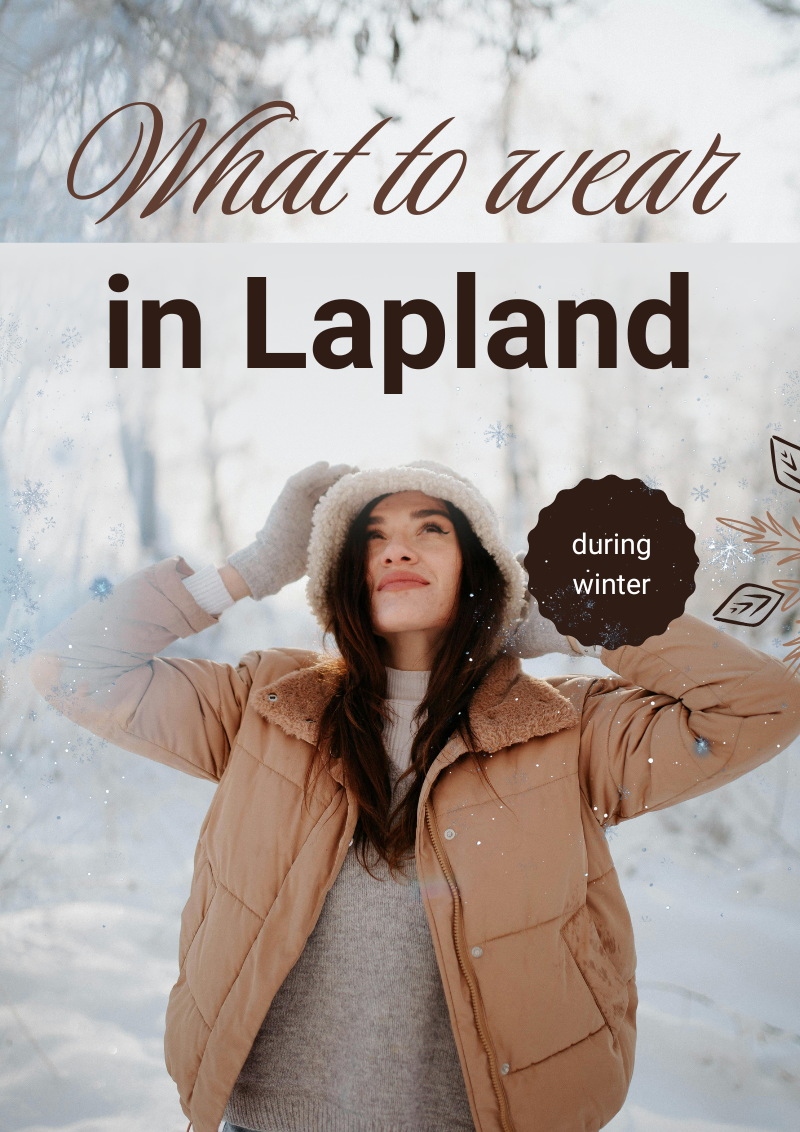
The Ultimate Lapland Winter Clothing Guide for First-Time Singapore Travellers
Lapland is one of the world’s most magical winter destinations.
Imagine:
✨ Watching the Northern Lights dance across the Arctic sky
🎅 Meeting Santa Claus in his hometown
🦌 Riding a reindeer sleigh through snowy forests
🐕 Husky sledding across frozen lakes
❄️ Sleeping in a glass igloo surrounded by snow
It sounds like a dream—and it truly is.
But there’s one thing many first-time Singapore travellers underestimate:
Lapland isn’t just cold… it’s Arctic cold.
Between December and January, temperatures typically range from -10°C to -25°C, and on colder days, they can drop below -30°C, especially at night.
Here are the five most common winter clothing mistakes that can turn your dream holiday into an uncomfortable experience.
1. Wearing Too Many Layers Instead of the Right Layers
This is the biggest mistake we see.
Many travellers think: “The colder it is, the more clothes I should wear.”
So they pack: two sweaters, 10 t-shirts, hoodies, thick jeans.
Unfortunately… more layers don’t always mean more warmth.
Too many cotton layers make you:
-
- Sweat more
-
- Trap moisture
-
- Feel colder once you’re outside
The Better Way
Follow the 3-layer system:
Base Layer
-
- Thermal top
-
- Thermal leggings
Read more about thermal wear guide here
Mid Layer
-
- Fleece jacket (read more about mid layer guide here)
Outer Layer
-
- Waterproof, windproof insulated winter jacket (read more about different type of jacket here
This layering system traps warm air while allowing moisture to escape, keeping you warm without feeling bulky.
2. Wearing Jeans Instead of Waterproof Winter Pants
Jeans are one of the worst choices for Lapland.
Why? Because denim:
-
- Absorbs moisture
-
- Offers little insulation
-
- Becomes stiff in freezing temperatures
-
- Takes a long time to dry
Now imagine: Sitting on a snowmobile, playing with your kids in the snow., watching the Northern Lights for two hours. Your jeans will quickly become cold and uncomfortable.
Wear This Instead
Choose:
-
- Waterproof insulated winter pants
-
- Windproof snow pants
-
- Thermal leggings underneath
You’ll stay dry, warm, and comfortable throughout the day.
3. Choosing Fashion Boots Instead of Snow Boots
Many first-time travellers arrive wearing:
-
- Leather boots
-
- Chelsea boots
-
- Fashion ankle boots
-
- Sneakers
They may look stylish—but they aren’t designed for Arctic conditions.
Proper snow boots provide:
-
- Waterproof protection
-
- Thick insulation
-
- Anti-slip soles for icy paths
-
- Better grip on packed snow
-
- Warm lining for long outdoor activities
A quality pair of snow boots can make the difference between enjoying your holiday and counting the minutes until you’re back indoors.
4. Forgetting That Wind Chill Makes It Feel Much Colder
Your weather app may say: -12°C
But once you’re riding: a husky sled, a snowmobil, a reindeer sleigh
The wind can make it feel closer to -20°C or even colder. This is called wind chill.
That’s why your outer jacket shouldn’t just be warm—it also needs to be:
-
- Windproof
-
- Waterproof
-
- Properly insulated
A jacket designed for city commuting may not provide enough protection for Arctic activities.
5. Leaving Small Accessories Behind
Many travellers spend hundreds of dollars on a premium jacket but forget the smaller items that make a huge difference.
In Arctic temperatures, your body loses heat quickly through your head, ears, neck, hands, feet
That’s why these accessories are essential:
-
- Waterproof insulated gloves
-
- Beanie with ear coverage
-
- Neck warmer or padded scarf
-
- Thermal socks
-
- Balaclava for very cold days
These items may seem small, but they can significantly improve your comfort during long hours outdoors. (read more about why do we need travel accessories here)
Bonus Tip: Don’t Buy an Expedition Jacket If You Only Need It Once
Many first-time travellers spend SGD400–SGD1,000 on a premium winter jacket they’ll only wear for one holiday.
Instead, consider renting high-quality winter wear. It’s a practical option for travellers visiting Lapland, Harbin, Iceland, or other sub-zero destinations.
At WinterBuddy Singapore, we’ve helped hundreds of families and travellers prepare for Arctic adventures with premium winter jacket rentals, waterproof winter pants, snow boots, and cold-weather accessories.
Whether you’re visiting Rovaniemi, Levi, Saariselkä, Ylläs, or anywhere in Finnish Lapland, our team can recommend the right outfit based on your itinerary and expected temperatures.
Book a FREE try-on session before your trip and travel with confidence—because the best memories are made when you’re warm enough to enjoy them.